
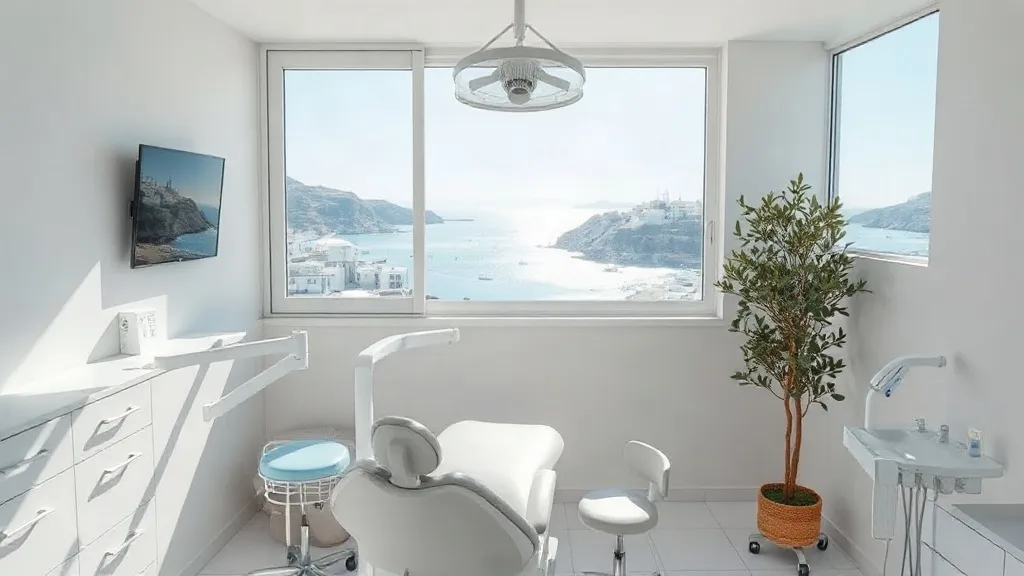
You arrive in Gumbet with two things on your mind: the sea and, if you are honest with yourself, that nagging tooth you have been putting off for months. The Bodrum peninsula has quietly become a place where people combine a holiday with dental treatment, and choosing a gumbet dentist is often the first decision that shapes the whole trip. This guide walks through what to look for, how the local clinics tend to operate, and how to line up appointments so the dentistry supports your holiday rather than swallowing it.
Why Gumbet and Bitez Attract Dental Patients
Gumbet sits a short dolmuş ride from Bodrum centre, packed with hotels, beach clubs and restaurants. Bitez, a few bays further west, is calmer, greener and popular with families and long-stay visitors. Both are within easy reach of Milas-Bodrum Airport, which is roughly forty minutes to an hour away depending on traffic.
That convenience matters more than it sounds. A dental trip works best when you are not spending half of it in transit. Staying in Gumbet or Bitez means you can walk to a clinic in the morning, be on the beach by early afternoon, and keep the rest of the day free. Clinics in these resorts have built their schedules around exactly that rhythm, which is why many offer early appointments and evening consultations during the summer months.
The other draw is cost. Dental treatment in Turkey is generally significantly cheaper than in the UK or much of Western Europe, largely because of lower operating costs rather than lower standards. That gap is what makes a combined holiday and treatment plan financially sensible for many people. It is not a reason to compromise on quality, though, and the rest of this article is about making sure you do not.
What a Good Clinic Looks Like
Walk into any clinic and you can learn a great deal in five minutes without asking a single clinical question. Look at how the instruments are stored, whether surfaces are clean, whether staff wear gloves and change them between patients, and whether the treatment rooms have proper ventilation. These are basic signals, but they tell you whether hygiene is treated as a habit or an afterthought.
Questions worth asking before you commit
- Which dentist will actually perform the treatment, and what are their qualifications?
- Is there a written treatment plan with itemised costs before anything begins?
- What happens if a crown or filling fails after you fly home?
- Do they use digital X-rays and intraoral scanners, or only traditional impressions?
- Can they communicate in English, and is there a coordinator who handles scheduling?
A clinic that answers these directly, without pressure, is usually a clinic worth trusting. Be wary of anyone who quotes a price before examining you, or who promises a fixed number of implants before seeing an X-ray. Good dentistry is diagnostic first and commercial second.
How to Choose Between Gumbet and Bitez
The two resorts suit different travellers. Gumbet is busier, with more nightlife and a wider spread of hotels, which makes it convenient if you want everything within walking distance. Bitez is quieter and more spread out, with a long curved beach and a slower pace that many people prefer after a treatment session.
If you are travelling with children, or recovering from a procedure and want somewhere calm to spend the afternoon, Bitez tends to be the better base. A bitez dentist will often have a smaller, more personal practice, which can mean more flexible appointment times. Gumbet, by contrast, has larger clinics with more dentists on staff, which helps if your treatment plan needs several appointments squeezed into a short window.
Neither option is inherently better. What matters is matching the clinic to your treatment. Complex implant work benefits from a larger team and on-site laboratory access. A single check-up, cleaning or filling can comfortably be handled by a smaller practice.
Planning Treatment Around Your Trip
Most people underestimate how much time dental work takes. A single crown typically needs two visits separated by several days for the laboratory to fabricate it. Implants require a surgical appointment, a healing period of weeks or months, and a final restoration, which means either multiple trips or a longer stay. Whitening, cleanings and simple fillings can usually be done in one or two sessions.
Build a realistic timeline before you book flights. If you are planning a crown, aim for a stay of at least a week so the laboratory has time to work without rushing. If you are considering implants, ask the clinic whether they can stage the treatment across two visits several months apart, and get that schedule in writing.
A simple planning checklist
- Send recent X-rays or photos to the clinic before you travel so they can give a preliminary estimate.
- Confirm the number of appointments your plan requires and how far apart they fall.
- Book accommodation within walking distance of the clinic if your treatment involves multiple visits.
- Leave at least two spare days at the end of the trip in case a fitting needs adjusting.
- Ask for your treatment records and any warranty documentation before you leave.
What It Costs and What to Expect
Prices vary by clinic, material and complexity, so treat any figure you see online as a starting point rather than a quote. What is consistent is the structure of a good clinic's pricing: a written plan that separates consultation, laboratory work, materials and any follow-up. If a price seems dramatically lower than everywhere else, ask what is excluded. Cheap quotes often omit the abutment, the crown, or the follow-up appointment.
Payment methods matter too. Ask whether card payments are accepted, whether there is a surcharge, and whether a deposit is required to hold an appointment. Get the total in writing before treatment starts, in the currency you will actually pay.
Making the Most of Your Recovery Time
After a filling or a cleaning, you can usually go straight back to the beach. After an extraction or implant surgery, you will want a quiet afternoon, soft food and no swimming for at least twenty-four hours. Plan those days accordingly. Bitez's shaded promenade and calm bay are far more forgiving than Gumbet's busy strip when you are recovering.
Stock up on soft food before your appointment: yoghurt, soup, mashed potatoes, ripe fruit. Avoid alcohol and smoking for the period your dentist advises, since both slow healing. And keep the clinic's contact number saved in your phone, because a question at 9pm is far easier to answer than a worry that keeps you awake.
Frequently Asked Questions
How far in advance should I book a gumbet dentist appointment?
In high season, from June through September, book at least three to four weeks ahead if you want a specific date. Walk-in availability exists but is unpredictable, especially for longer treatments that need laboratory time.
Can I get dental treatment in Bitez if I am staying in Gumbet?
Yes. The two resorts are about fifteen minutes apart by dolmuş or taxi, and many visitors stay in one and treat in the other. Choose based on the clinic rather than the postcode.
Is it safe to have dental implants abroad?
Implants are a routine procedure in well-equipped clinics, but the outcome depends on diagnosis, surgical technique and aftercare rather than location. Ask about the implant brand, the dentist's experience, and what follow-up support exists once you return home.
What should I do if a treatment fails after I leave Turkey?
Contact the clinic first. Reputable practices usually offer a warranty period and will either arrange a repair on your next visit or coordinate with a dentist near you. Get the warranty terms in writing before treatment begins.
Do I need travel insurance that covers dental work?
Standard travel policies rarely cover elective treatment, and many exclude complications from pre-existing dental conditions. Check the wording carefully, and consider a policy that includes dental complications if you are having surgery.
Dental care in Bodrum works best when it is planned rather than improvised. Choose the clinic on evidence, match the resort to your recovery needs, and keep the timeline realistic. Do that, and the trip gives you both a healthier smile and a proper holiday.