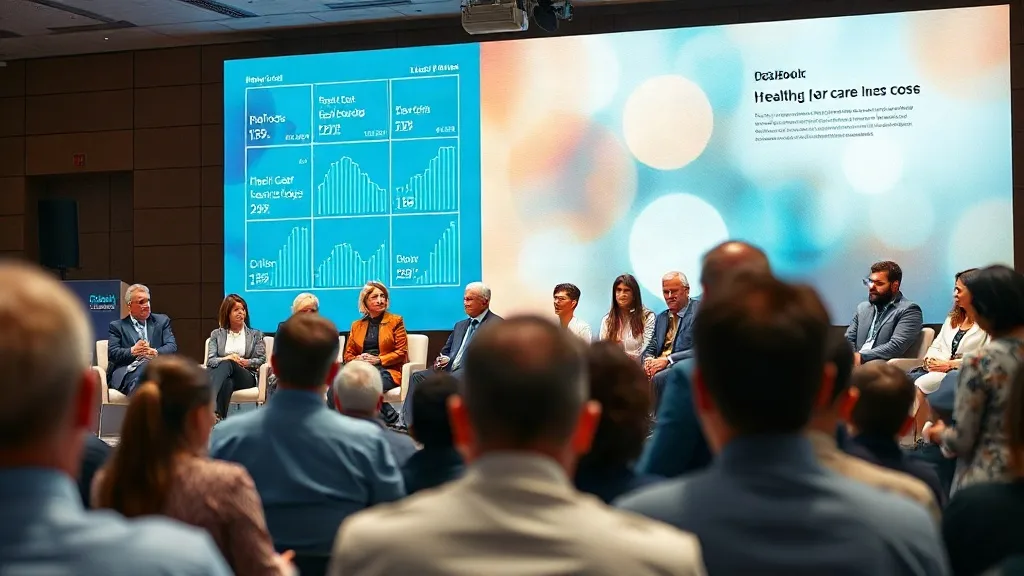
At the 2026 DealBook Summit, a gathering of business leaders, policymakers, and health care experts, the conversation turned to a topic that touches every American: the state of the nation's health care system. The consensus was stark: the system is broken, and the time for incremental fixes has passed. With costs spiraling, trust in institutions eroding, and dysfunction becoming the norm, panelists argued that the crisis has reached levels that demand immediate and comprehensive action. Yet, amid the grim diagnosis, there was a glimmer of hope: voters, they suggested, could be the catalyst for change.
The Diagnosis: A System in Crisis
The summit's health care panel painted a grim picture. Rising costs were a central theme, with experts noting that Americans pay more for health care than any other developed nation, yet outcomes lag behind. Administrative waste, opaque pricing, and a lack of competition were cited as key drivers. But beyond the numbers, there was a deeper concern: a breakdown of trust. Patients feel disconnected from their providers, employers struggle to navigate a fragmented system, and policymakers are gridlocked. The dysfunction, panelists argued, has become systemic, affecting everything from access to affordability.
Why Now? The Urgency of Reform
So why is 2026 a pivotal year? The answer lies in the convergence of economic and political pressures. Health care spending now consumes nearly a fifth of the U.S. economy, squeezing budgets for families, businesses, and the government. Meanwhile, the COVID-19 pandemic exposed deep vulnerabilities, from supply chain weaknesses to disparities in care. But perhaps the most potent force is public sentiment. As out-of-pocket costs rise and quality of care varies widely, voters are increasingly vocal about their dissatisfaction. Panelists noted that health care is consistently ranked as a top concern among voters across party lines, making it a potent issue for candidates in the upcoming elections.
The Role of Voters as a Catalyst
Experts at the summit emphasized that while solutions exist, political will is lacking. That's where voters come in. By prioritizing health care at the ballot box, constituents can force lawmakers to move beyond partisan stalemates and pursue meaningful reforms. The panelists pointed to historical examples where public pressure led to major policy shifts, such as the passage of Medicare and the Affordable Care Act. Today, with frustration at an all-time high, the potential for voter-driven change is significant. But it requires an informed and engaged electorate, one that understands the complexities and demands accountability.
Potential Paths Forward
What would a fix look like? The panel discussed several approaches, though no single solution dominated. Some advocated for a shift toward value-based care, where providers are rewarded for outcomes rather than volume of services. Others highlighted the need for price transparency and antitrust enforcement to curb consolidation and empower consumers. There was also discussion about expanding coverage, particularly in states that have not adopted Medicaid expansion, and investing in preventive care and public health. However, each proposal comes with trade-offs and political hurdles. The key, experts agreed, is to foster a national conversation that moves beyond slogans and toward pragmatic, evidence-based solutions.
The Need for a Unified Approach
One recurring theme was the fragmentation of the current system. With a mix of public and private payers, providers, and regulators, efforts to reform often result in unintended consequences. Panelists called for a more coordinated approach, perhaps through a bipartisan commission or a series of pilot programs that can be scaled. They also stressed the importance of addressing social determinants of health, such as housing and nutrition, which significantly impact outcomes. Ultimately, the goal should be a system that is affordable, accessible, and equitable for all Americans.
What It Means for Businesses
For the business community, the health care crisis is not just a social issue but an economic one. Rising health care costs are a major burden for employers, affecting their ability to compete globally and invest in their workforce. Many companies are already taking steps to manage costs, such as offering wellness programs or shifting to high-deductible plans. But panelists warned that these are Band-Aid solutions. A systemic fix would benefit businesses by reducing uncertainty and freeing up resources for growth. Moreover, a healthier workforce is more productive, making health care reform a strategic imperative for corporate America.
The Bottom Line for Employers
Employers should pay close attention to policy developments and engage in advocacy efforts. By working with policymakers and other stakeholders, they can help shape reforms that align with their interests and the needs of their employees. The summit made clear that inaction is not an option, and businesses have a role to play in driving change.
Conclusion: A Call to Action
The 2026 DealBook Summit served as a wake-up call. The health care system's problems are well-known, but the urgency to fix them has never been greater. Experts outlined a path forward, but it requires collective action from all stakeholders, especially voters. As the nation heads into an election year, health care is poised to be a defining issue. The message from the summit was clear: the time to fix health care is now, and the power to do so lies in the hands of the people.
Frequently Asked Questions
What specific problems were highlighted at the DealBook Summit 2026 regarding health care?
The summit highlighted three main issues: rising costs that burden families and businesses, a breakdown of trust between patients and the health care system, and systemic dysfunction that leads to inefficiencies and poor outcomes. These problems have reached crisis levels, according to experts.
How can voters influence health care reform?
Voters can influence reform by making health care a top priority in elections. By supporting candidates who advocate for meaningful changes and holding elected officials accountable, voters can pressure lawmakers to overcome partisan gridlock and implement solutions. Historical examples show that public pressure can lead to major policy shifts.
What are some potential solutions discussed at the summit?
Panelists discussed various approaches, including transitioning to value-based care, increasing price transparency, enforcing antitrust laws to reduce consolidation, expanding Medicaid in non-expansion states, and investing in preventive care and public health. They also emphasized the need for a coordinated, bipartisan effort to address the fragmentation of the system.
Why is health care reform important for businesses?
Health care costs are a significant burden for employers, affecting their competitiveness and ability to invest in their workforce. A systemic fix would reduce uncertainty and free up resources for growth. Additionally, a healthier workforce is more productive, making reform a strategic imperative for businesses.