
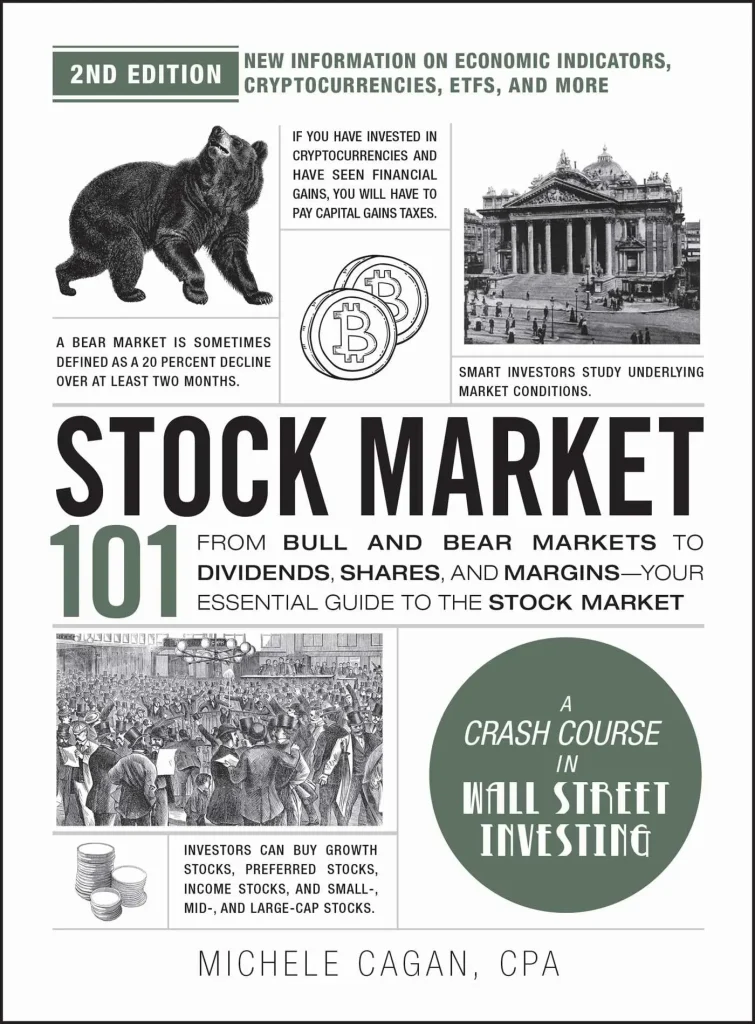
Stock Market 101 is your practical introduction to stock market basics and smarter investing tips, crafted to build confidence from day one. If you’re new to investing, this beginner investing guide translates jargon into plain language and shows you how to start with small, manageable steps. You’ll learn how the stock market works, the roles of buyers and sellers, and how prices reflect expectations. By following clear examples and practical steps, you can begin applying what you learn this week. Whether your goal is a rainy-day fund or long-term growth, understanding these basics helps you invest with confidence.
Looking beyond the textbook labels, think of the stock market as the equity markets where ownership in companies is traded. This broader frame includes the share market, securities markets, and the capital markets, all connected by the process of price discovery. Understanding these terms helps you read financial news, compare companies, and plan investments without relying on jargon. Ultimately, the goal remains the same: to grow wealth responsibly through informed decisions in a real-time, dynamic marketplace.
Stock Market 101: A Beginner’s Guide to Smarter Investing
Stock Market 101 is not just a catchy title; it provides a practical, beginner-friendly framework for learning the stock market basics and building confidence as you start investing. It strips away jargon and offers actionable steps so that someone who is new to investing can move from curiosity to action. By focusing on how to read financial news, assess companies, and set realistic goals, this guide helps you begin your journey with clarity and purpose in the world of stocks and indices.
To translate Stock Market 101 into everyday progress, start with a simple plan: define clear goals and time horizons; diversify using a mix of broad-market funds and selective stocks; and commit to regular investing through dollar-cost averaging. For beginners, prioritizing low-cost, tax-efficient options and keeping a long-term mindset are smarter investing tips that compound over time and reduce the friction of market noise.
Understanding How the Stock Market Works: From Basics to Smarter Investing Tips
Understanding how the stock market works begins with recognizing it as a network of exchanges where buyers and sellers trade ownership in companies. Prices move in real time driven by supply and demand, earnings, economic indicators, and investor sentiment. The stocks you buy represent ownership in a company, and over time, compounding returns can grow wealth, though volatility remains a fact in the short term.
Equipping yourself with stock market basics such as stocks, shares, dividends, earnings per share, P/E ratio, market capitalization, and major indices helps you compare companies and measure risk. By applying investing for beginners principles—read earnings, assess growth potential, watch costs, and use steady, long-hold strategies—you can transform information into smarter investing tips. Start small, automate contributions, and rebalance periodically to maintain a resilient portfolio that aligns with your long-term goals.
Frequently Asked Questions
What is Stock Market 101 and how does it present stock market basics for beginner investing?
Stock Market 101 is a beginner-friendly guide to the stock market basics. It translates complex ideas like how prices move, what drives value, and the role of exchanges into clear, actionable steps for beginner investing. The guide covers practical first steps, such as setting goals, building a starter portfolio with low-cost, diversified funds, and automating regular contributions. It emphasizes long-term thinking, risk awareness, and simple habits that help newcomers stay on track.
How does Stock Market 101 explain how the stock market works for investing for beginners, and what smarter investing tips does it include?
Stock Market 101 explains how the stock market works in practical terms for investing for beginners. It covers price formation, earnings, and risk in an accessible way, and then pairs that understanding with smarter investing tips. Key recommendations include diversification, using low-cost index funds or ETFs, dollar-cost averaging, and periodic rebalancing. The goal is to empower readers to apply these concepts this week with confidence.
| Aspect | Key Points |
|---|---|
| Introduction | Stock Market 101 aims to strip away jargon and provide a practical, beginner-friendly roadmap to start investing with confidence. It emphasizes clear explanations, actionable steps, and a framework you can apply this week. |
| What is the stock market / Understanding basics | A network of exchanges (e.g., NYSE and Nasdaq) where shares of publicly traded companies are bought and sold. Investors seek price appreciation, dividends, ownership rights, and participation in a company’s growth. The market prices in information, expectations, and risk. |
| How the stock market works | Prices move in real time as orders are placed. A stock’s price reflects expected future profits, growth potential, and risk. Factors include earnings, economic data, industry trends, and global events. Long-term compounding can grow wealth, but stocks are volatile in the short term. |
| Key terms to know | Stocks, shares, dividends, earnings per share (EPS), price-to-earnings (P/E) ratio, market capitalization, and indices like the S&P 500 or Dow Jones. Understanding these concepts helps beginners compare companies on a common scale. |
| Why beginners should start with the basics | Foundations provide a framework to evaluate investments, diversify, and manage risk. Set realistic goals and time horizons; recognize that losses are part of investing. This groundwork supports long-term progress over short-term noise. |
| Practical strategies for smarter investing |
|
| Common pitfalls and how to avoid them |
|
| Practical tools and resources for beginners |
|
| Putting it into practice: a simple starter plan |
|
| The mindset behind Stock Market 101 | Investing for beginners benefits from a patient, learning-driven mindset. The market is a system that rewards discipline, consistency, and a willingness to adapt. Rely on a well-thought-out plan, quality signals, and ongoing education to build a durable investing framework. |
Summary
Table of key points summarizing Stock Market 101 content.